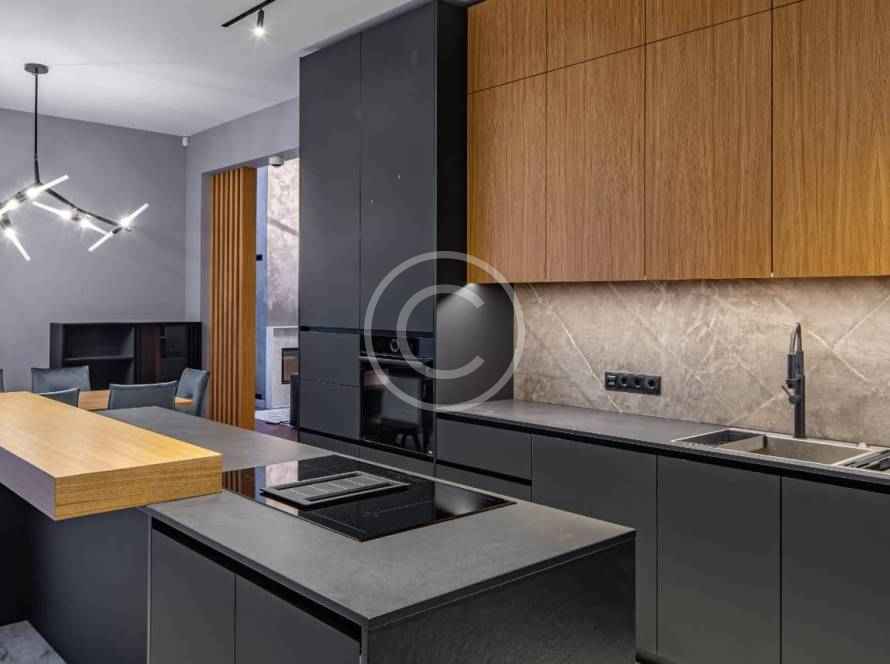
Choosing cabinet materials might seem like a design decision, but in Florida, it is just as much about performance. Heat, humidity, and daily use all affect how cabinets age, which means the wrong material choice can lead to issues sooner than expected.
For homeowners in Southwest Florida, durability should be just as important as appearance. Cabinets need to look good, but they also need to hold their structure and finish over time.
Understanding which materials work best in this environment can help you avoid costly repairs and ensure your kitchen upgrade lasts.
Why Florida’s Climate Matters
Florida’s climate creates conditions that are very different from other parts of the country.
High humidity levels can cause materials to expand and contract. Over time, this can lead to:
• Warping or swelling
• Peeling finishes
• Loose joints or weakened structure
Because cabinets are used daily, these small issues can quickly turn into noticeable problems.
This is why material selection should always be considered early in the design process, especially when working with professionals experienced in kitchen remodeling Naples FL.
Solid Wood: Classic but Requires Care
Solid wood is often seen as the premium choice for cabinetry. It offers a natural appearance and can be finished in a variety of ways.
Benefits of Solid Wood
• Strong and durable
• Timeless appearance
• Can be refinished over time
Considerations in Florida
Wood reacts to moisture. In humid environments, it can expand or contract, which may affect doors and drawer fronts.
That does not mean solid wood should be avoided. It simply needs to be properly sealed and installed with precision.
Homeowners who choose custom kitchen cabinetry in Naples often use solid wood in combination with other materials to balance appearance and performance.
Plywood: A Reliable Structural Choice
Plywood is commonly used for cabinet boxes because of its strength and resistance to moisture.
Why Plywood Works Well
• Less likely to warp compared to solid wood
• Strong layered construction
• Handles humidity better than many alternatives
Because of these qualities, plywood is often used behind the scenes in high-quality cabinetry.
It may not always be visible, but it plays a major role in how long cabinets last.
MDF: Smooth Finish with Limitations
Medium density fiberboard, often referred to as MDF, is frequently used for painted cabinet doors.
Advantages of MDF
• Smooth surface for paint finishes
• Consistent appearance without grain variation
• More resistant to cracking compared to natural wood
Long manufacturer waranty
Where It Falls Short
MDF does not handle exposure to water and steam as well as solid wood. If exposed to water, it can swell and lose its structure.
Particleboard: Budget-Friendly but Less Durable
Particleboard is often found in lower-cost cabinetry. It is made from compressed wood particles and adhesives.
Pros
• Lower cost
• Lightweight
Cons
• More susceptible to moisture damage
• Shorter lifespan
• Weaker structural integrity
In Florida kitchens, particleboard is not the best long-term choice.
Thermofoil: Clean Look with Trade-Offs
Thermofoil cabinets are made by applying a vinyl layer over engineered wood.
Benefits
• Smooth, modern appearance
• Easy to clean
• Resistant to minor stains
Limitations
Heat and humidity can cause thermofoil to peel over time, especially near appliances.
This makes it a less durable option in kitchens that see frequent use.
Matching Materials to Your Kitchen
The best material choice often comes down to how your kitchen is used.
For example:
• High-use kitchens benefit from stronger materials like plywood and solid wood
• Kitchens focused on aesthetics may use MDF for painted finishes
• Budget-conscious projects may mix materials to balance cost and durability
Working with a professional team helps ensure these decisions are made with both performance and design in mind.
How Material Choice Affects Long-Term Value
Cabinet materials directly impact how long your kitchen upgrade lasts.
Higher-quality materials:
• Maintain their appearance longer
• Require fewer repairs
• Contribute to overall home value
Lower-quality materials may reduce upfront cost but can lead to earlier replacement or repairs.
For homeowners thinking long-term, material selection becomes one of the most important decisions in the entire project.
What This Means for Your Kitchen
Choosing cabinet materials is not just about picking what looks best in a showroom. It is about selecting options that can handle daily use in a humid environment.
A well-planned combination of materials can provide both durability and visual appeal. The key is understanding where each material performs best and using it accordingly.Working with a team like Abbie Joan ensures that these decisions are made with experience and attention to detail, resulting in cabinetry that holds up over time and supports how your kitchen is used every day.